How We Collected $893,500 For A Recruitment Company In 12 Months Without Using Paid Ads
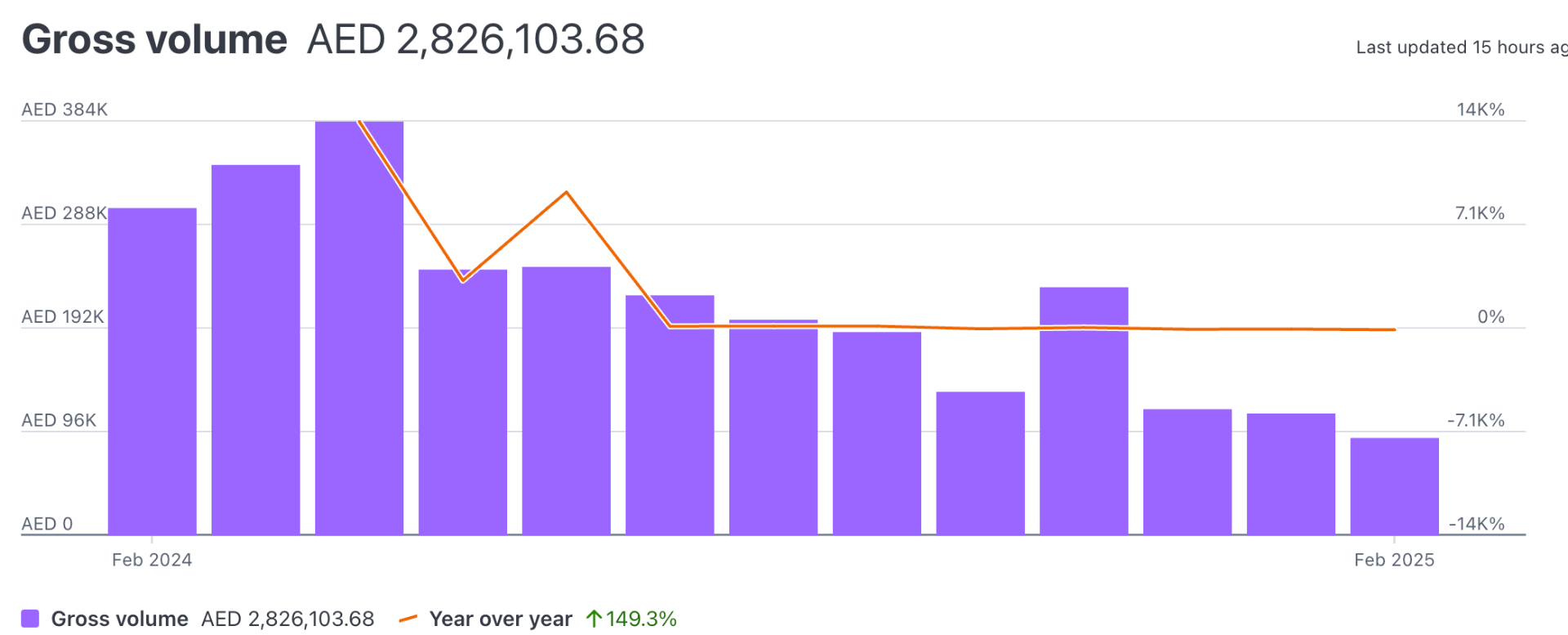
A recruitment company, doing $226,000 a year when we walked in. Twelve months later: $893,500 collected in total, no paid media, 149% YoY on gross volume. Here is exactly what we changed and why it worked.
Challenges Faced Prior To Our Engagement
- The main channel for leads was through organic content and a newsletter being unpredictable and the quality of leads uncontrollable.
- An ICP was not defined or dialled in, the approach was taking who they can get and relying on word of mouth, referrals and the local reputation of the business.
- No outbound system in place to generate traffic and convert into won deals.
- The organic content was not trust building, was just there for placeholder.
- Retention of clients was very low 4/10 clients were failing payments and churning 2 months into signing the contract.
- Successful clients were not being looked after, no client success system to motivate clients to continue doing business.
Stage 1: Establishing ICP
First step was finding the actual Ideal Customer Profile so that we could create a cross channel cold outbound system.
By understanding the patterns of our current real buyer, we could reverse engineer attributes such as industry, location, revenue range etc to find our relevant pool of leads we could easily convert first.
We did this by:
- Having 1-1 conversations with our top case studies asking them hours of qualitative gold on why they converted, what made it work and exactly where they were before joining the recruitment company.
- Auditing top-performing organic content, reading every comment on the posts that were already working to find out what landed, what didn't, and what objections kept surfacing.
- Warm dialled leads that did not convert and opened a direct line where prospects could give us live feedback on everything they felt pushed them away from us, positioning, pricing and product.
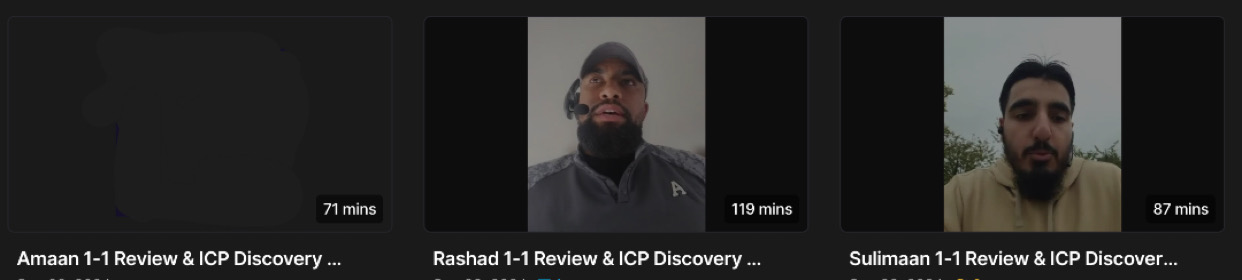
The Real ICP We Found
- Blue collar specifically Civil Engineering (2-3 years in industry).
- Already burned by other agencies that overpromised and underdelivered.
- Frustrated by long turnaround time.
- Attracted to a non-trend-based solution, but cautious about anything that smelled too good to be true.
- The offer owner's relatability/reputation was the single biggest reason successful clients took the jump.
- We were losing warm leads because engagement from the company was too infrequent, reply times were also very off.
Stage 2: Establishing Outbound System
First, we segmented pipeline into:
- Last engaged
- Closing Call Held
- Discovery Call Held
- Interested
- Not Interested (price objection)
- Not Interested (value objection)
- Not Interested (timing objection)
- Entered Pipeline In Last 30 Days
- Redzone (Will Close Within 7 Days)
- Long Term Nurture (30 days+)
Then created a flow for each segment and established a dialling process to convert each segment.
The general flow to convert was as follows:
Follow-Up Windows On Every Lead
For all not interested leads we book in a follow up call regardless of interest level to give us a window to follow up in and look forward to.
Stage 3: Bulletproofing The Backend
As the customer base grew, two problems compounded. Many clients said ongoing engagement was too high, even on existing payment plans.
And 20-30% of customers were failing invoices by the 2nd or 3rd installment.
So we built two things in parallel.
- Failed payment system. A dedicated admin specialist running email reminders and personal outreach for customers who fell behind.
- A dedicated client success agent to make sure throughout the engagement from contract sign onwards they were making progress.
The Failed Payment Flow
- 3-email sequence. Notifies the client, offers support, and either terminates engagement or offer complimentary service to boost trust.
- Admin specialist on WhatsApp. Every email is followed up with a personal message to discuss what's actually going on.
- Flexible options. Reasonable deadline extensions, smaller installments, or temporary access pauses with payment holds.
- 1-1 check-up calls and roadmapping. So the client felt seen and could visualise the next steps clearly, not chased and shamed.
Result: customers who would have churned felt indebted, doubled down and made it work.
$92,000 recovered from customers who would have churned, from a starting point of $0. Money the business would never have seen otherwise, put straight back on the P&L.
Stage 4: Developing A Down-Sell For Price Objection Leads
What we noticed from churning clients was that they felt the product was exactly what they wanted and needed however did not have enough runway to finish their payments that initially was needed to start the engagement.
As this the amount of these clients started to grow it became straining operationally on the fulfilment and client success team, due to a lot of focus being put on debt collection rather than client success.
To combat this as well as to help nurture leads that may see this as a good fit, but are budget constrained developed a backend down-sell offer that gives leads not only a more affordable option, but a taster of the product and see the difference between their current situation and working with us and nurture them into our main offering down the line.
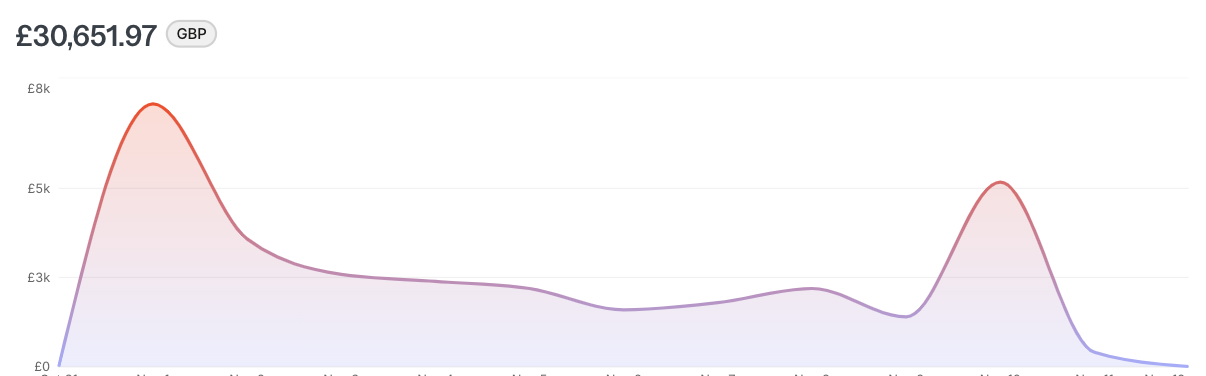
By doing so we were able to, net an extra $41,500 in deals through our downsell mechanism.
Stage 5: Perfecting The Organic Lead Generation Channels
In order to support the outbound channels needed a strong organic presence.
This helps with reducing the sales cycle, the need to constantly follow up with leads and giving them a source to build trust passively and have value assets ready at hand to give to ongoing deals.
We segmented content by awareness level so every piece spoke to a specific person at a specific stage, instead of one broad message trying to reach everyone.
- Least Aware. No idea about the solution or offer. Needed broad education. Example angle: 'This Is Why You Need A Recruitment Company in 2026'.
- Moderately Aware. Knew about the offer but needed more info and a way to apply it. Example angle: '5 untapped recruitment methods you can use for your company in 2026'.
- Most Aware. Understood the solution and the niche deeply. Wanted advanced tactics. Example angle: 'Watch me how I prospect a candidate for a $120,000 job role in 7 minutes'.
We reverse engineered the most common questions about the company and the offer and turned each one into a lead magnet, attached to value threads and reels to grow the mailing list.
Initial output was 1-2 IG reels a day with the occasional TikTok and email. Way under-utilised given the demand we were seeing.
Content frequency, no burnout.
Scaled to 2-3 reels a day, 2 tweets a day with 1 thread a week, 2 long-form YouTubes a week and 2-3 TikToks a day, without major drop-offs in quality.
Content was iterating every week to match feedback we were getting from our leads and we built a system (pre, during and post production in tandem with the outbound system).
The Result Of Compounding Content
Once every piece of content had a specific job for a specific person, the compounding started.
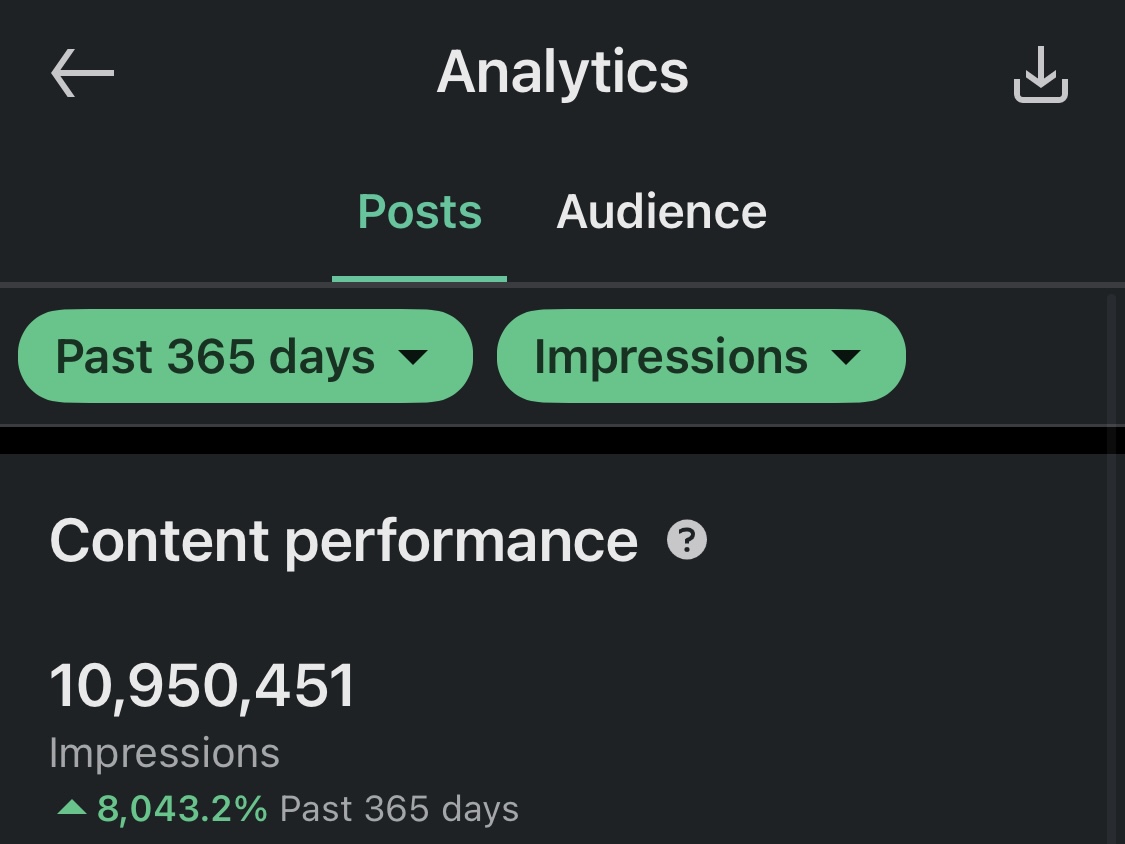
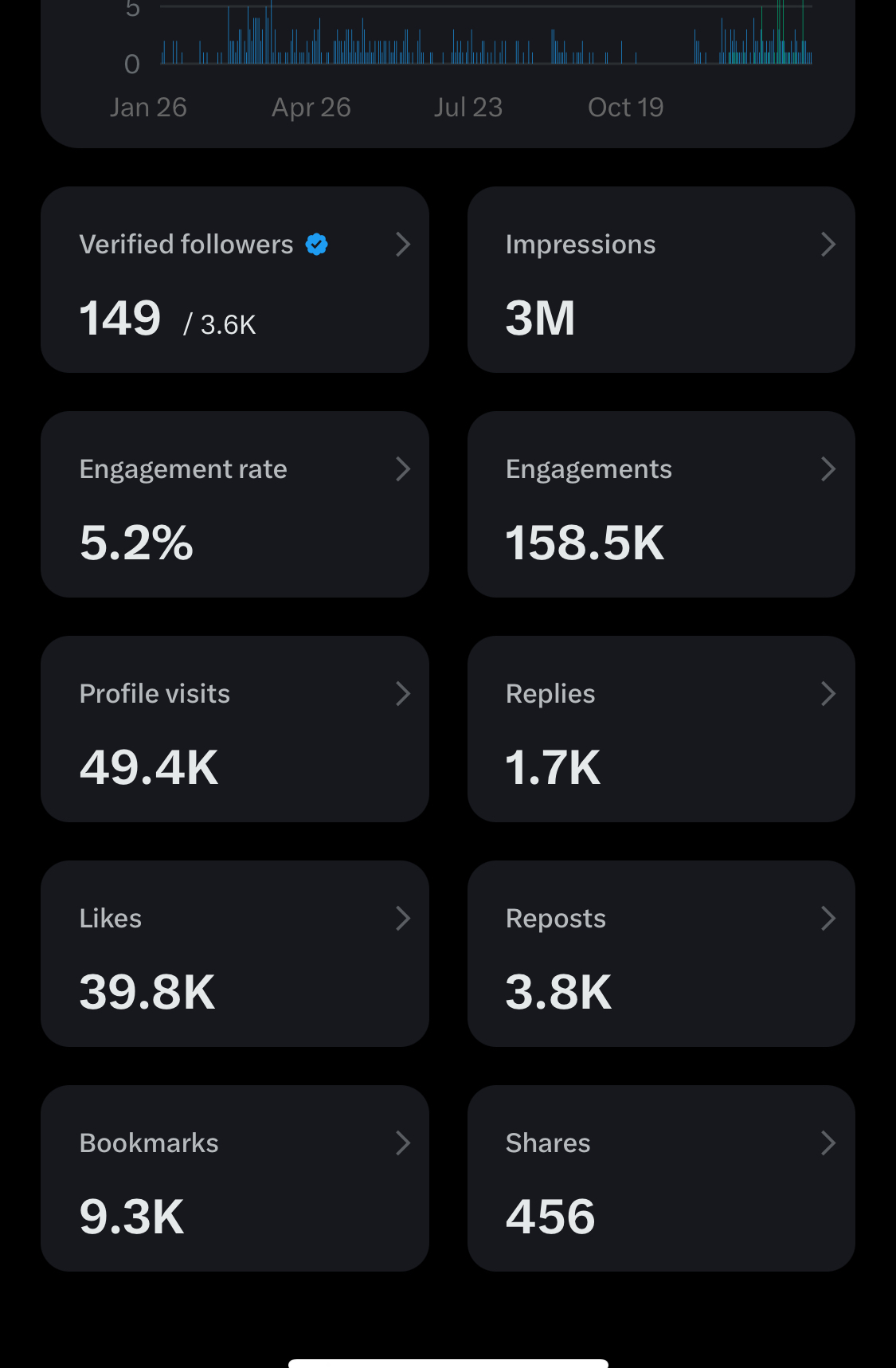
- Impressions ran to 10.9 million over the year on Linkedin alone, 3 million on Twitter and over 20 million across all channels.
- Resulting to a +8,043% YoY, and every viral piece pushed viewers down the funnel which in turn turned them into an opportunity.
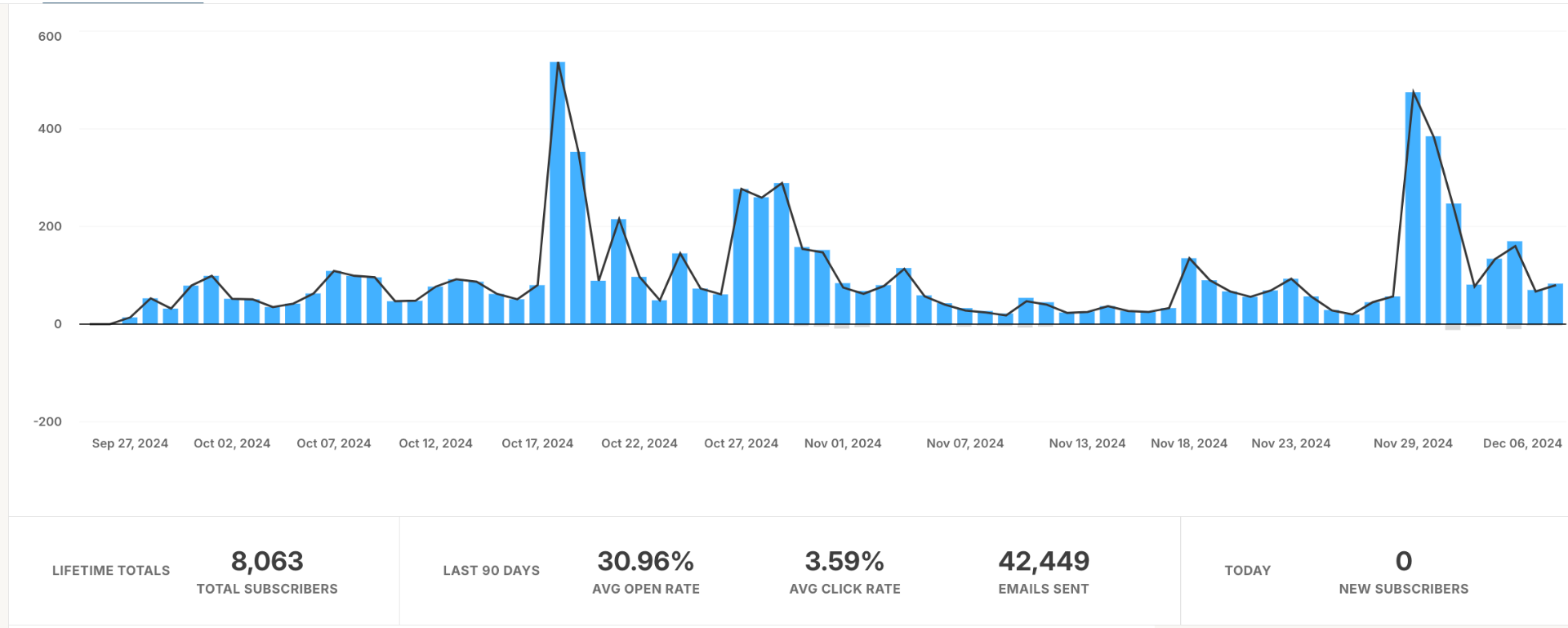
- Grew an email list from 0 to over 8500 subscribers in 4 months.
This retained a big pool of our viewers and outbound leads into deals that work in the background adding an extra $30-40,000 in predictable MRR.
The Bottom Line Result
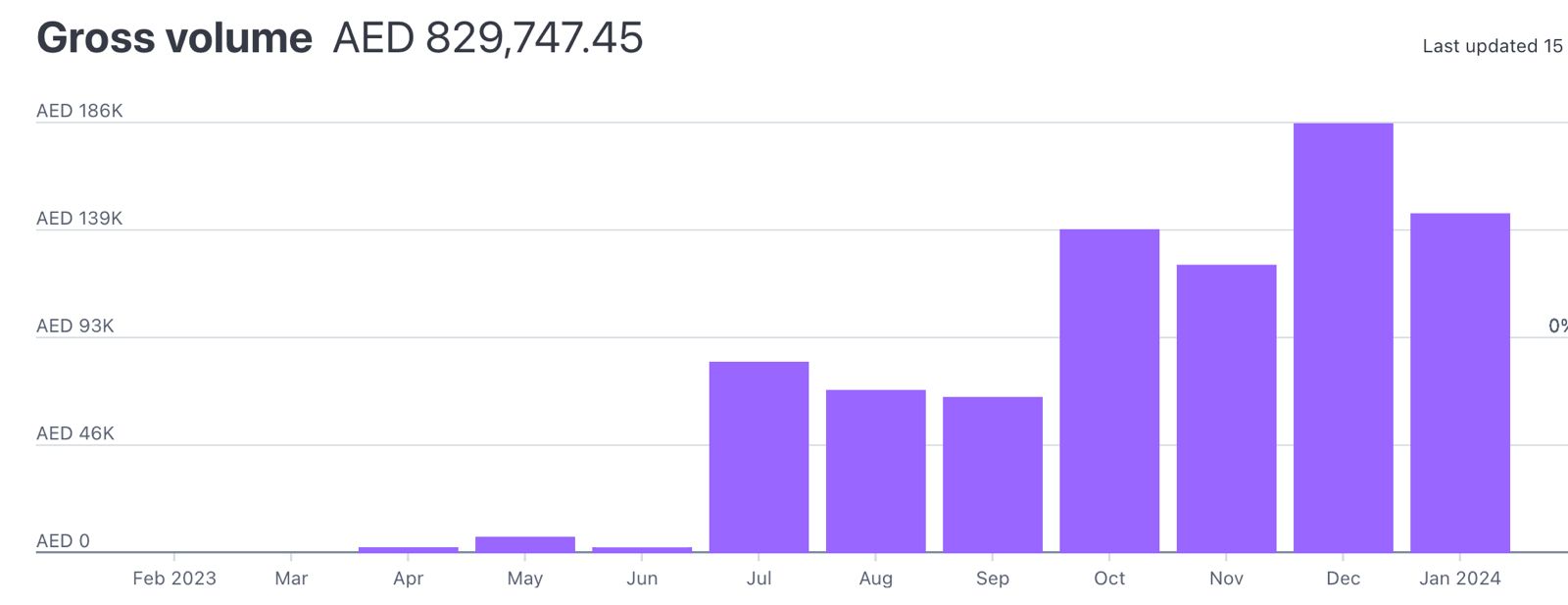
Before working with us, the company did $226,000 a year. No outbound & content systems, no team, just word of mouth and organic.
A year in implementing above, netted $760,000 with an additional $92,000 recovered from churned and churning deals and an additional $41,500 in down-sell revenue from deals that couldn't move forward from the main offering due to price.
Resulting in a total of $893,500.
Why It Worked
Nothing here is a funnel hack.
We didn't find a secret channel.
We took a product that was already working in a small way.
Found the actual total addressable market that would resonate with the product.
Created a system to reach them and gave them channels to build trust with us they couldn't ignore.
Stopped leaking money out the back from existing clients.
And made the offer easier to say yes to and harder to fall out of.
One team running all of it.
Every week.
Inside the business.